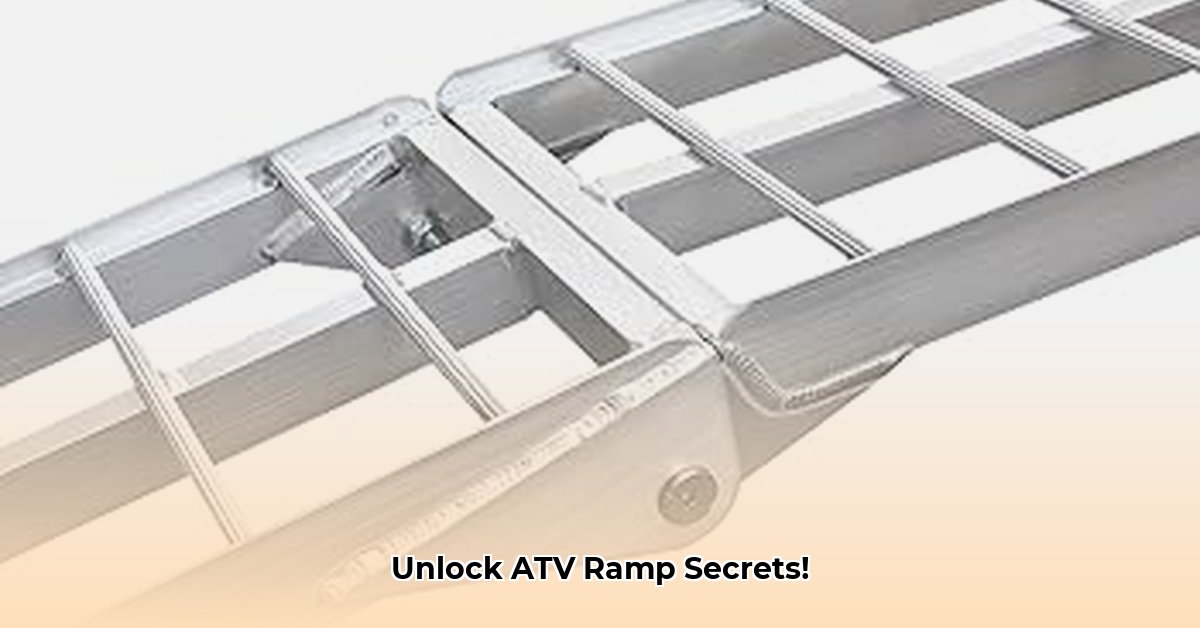
Getting your ATV and equipment onto a trailer or truck shouldn't be a struggle. The right ATV ramps make all the difference, improving safety and efficiency on your farm. This guide helps you choose the perfect ramps from Tractor Supply, ensuring smooth and safe loading and unloading every time. For more ramp options, check out these ATV ramps.
Choosing the Right ATV Ramps: A Step-by-Step Guide
This section breaks down the key factors to consider when selecting ATV ramps, helping you make an informed decision based on your specific needs and budget. Remember, safety is paramount! Investing in the right equipment is investing in your safety and productivity.
Determining the Right Weight Capacity
Before you even start browsing, weigh your heaviest ATV and any equipment you plan to transport. Add those weights together. Now, find a ramp with a weight capacity significantly exceeding this total—a safety margin is crucial. Don't skimp here; exceeding the weight limit can lead to dangerous accidents. A reliable rule of thumb is to aim for a minimum of 25% additional capacity beyond your heaviest load. What's the risk of buying a ramp that's too strong? None! It's better to be safe than sorry.
Selecting the Best Ramp Material: Aluminum vs. Steel
Aluminum and steel are the most common materials for ATV ramps. Each has its pros and cons:
Aluminum: Lightweight and easy to handle, making them ideal for solo operation or frequent moving. However, they might be less durable than steel under heavy loads. Think of them as the nimble, lightweight choice.
Steel: Heavier-duty and more durable, suitable for heavier ATVs and equipment, frequent use, and harsh conditions. They're the workhorses. However, they're less portable.
The best choice depends on your needs. Frequent heavy use? Steel is your best bet. Occasional use with lighter ATVs? Aluminum offers convenience. Consider your typical load, how often you'll use the ramps, and ease of handling.
Choosing the Optimal Ramp Length
Ramp length is critical for safety and a smooth loading/unloading experience. Too short a ramp creates a steep incline, increasing the risk of accidents. Too long, and it becomes cumbersome and difficult to manage. A good rule of thumb is to aim for a gentler slope, around 15-20 degrees.
To determine the appropriate length, measure the vertical distance from the ground to your loading area (trailer or truck bed) and the distance your ATV will travel along the ramp. This should give you a minimum ramp length. A longer ramp will result in a gentler slope, improving safety and making loading/unloading easier on your equipment.
Essential Safety Features to Consider
Safety shouldn't be an afterthought. Look for these key features:
- Textured Surfaces: Prevent slippage, crucial for wet or muddy conditions.
- Side Rails: Help prevent your ATV from sliding off the ramp, adding stability.
- Wheel Stops: Secure your ATV on the loading surface, preventing rollbacks.
These features might increase the cost slightly, but the enhanced safety is well worth the investment.
Tractor Supply Ramp Options and Recommendations
Tractor Supply offers a range of ATV ramps. Before purchasing, carefully review the weight capacity, length, and safety features of each model. Match these specifications to your assessed needs. Check their website (1) for the latest product information, customer reviews, and pricing. Remember to always double-check weight ratings before purchase to ensure compatibility and safety.
Don't hesitate to ask a knowledgeable Tractor Supply associate for personalized recommendations. They can help you find the perfect ramp for your specific needs and budget.
Step-by-Step Ramp Installation and Usage
Safe ramp use is paramount. Follow these steps:
- Preparation: Ensure the ground is level and stable. Uneven ground can compromise safety.
- Positioning: Securely position the ramps against the loading surface, ensuring stability. Prevent slippage by placing the ramps on a solid surface.
- Loading: Approach the ramp slowly and steadily, avoiding sudden acceleration or jerky movements.
- Securing: Once loaded, secure the ATV using ratchet straps or wheel chocks to prevent movement.
- Unloading: Reverse the process, proceeding slowly and carefully.
Simple Ramp Maintenance to Extend Lifespan
Regular maintenance keeps your ramps safe and extends their lifespan:
- Regular Inspections: Check for any damage (cracks, bends, loose bolts) after each use.
- Cleaning: Remove mud and debris to prevent corrosion and maintain grip.
- Storage: Store ramps in a dry place to prevent rust and corrosion. For steel ramps consider applying a rust preventative coating.
With proper care, your ATV ramps will provide years of reliable service.
Conclusion: Prioritizing Safety and Efficiency
Investing in the appropriate ATV ramps from Tractor Supply is an investment in your farm’s safety and efficiency. By carefully selecting the right ramps and following safe loading and maintenance practices, you ensure smooth, safe loading and unloading of your ATVs and equipment.